Global Japanese Sushi Rolls
Highlighted under: Exotic Recipes | New Tastes
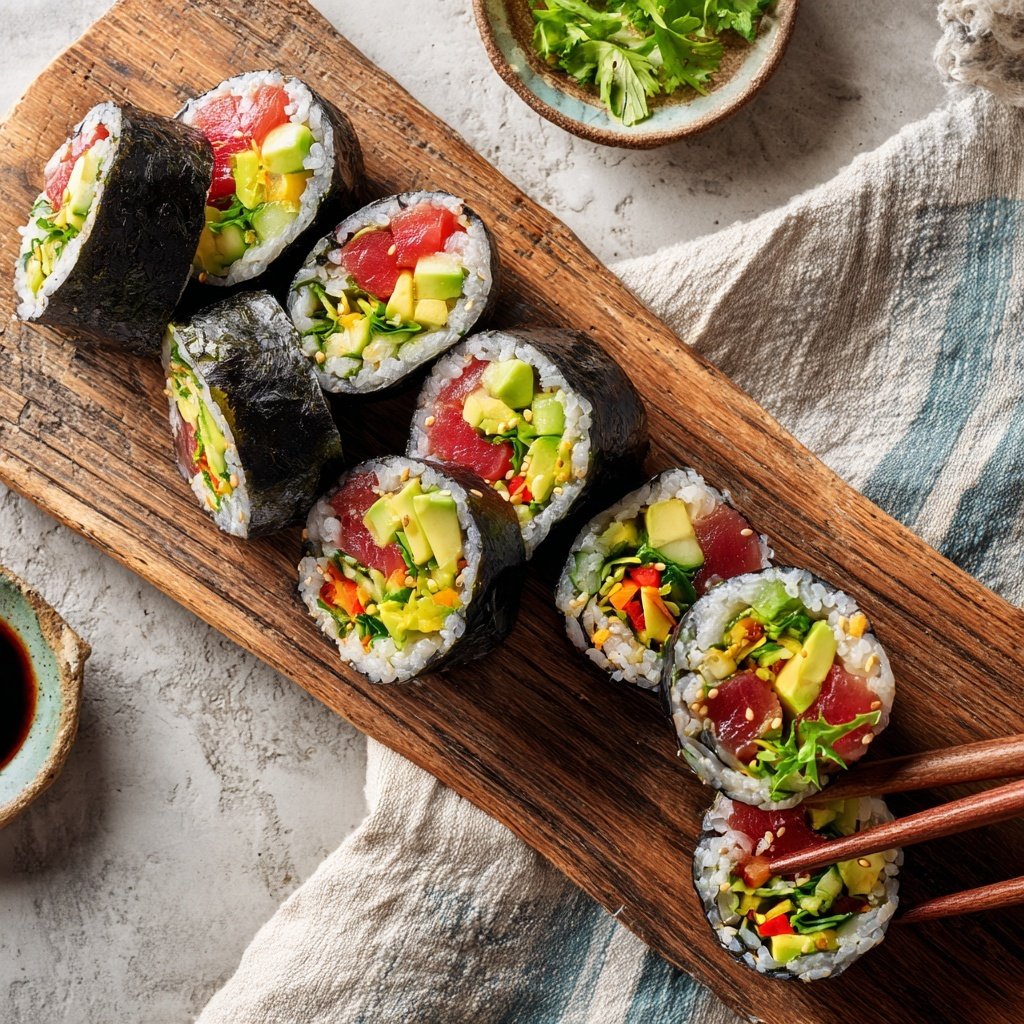
I love making sushi at home, and these Global Japanese Sushi Rolls are a standout in our kitchen. Blending traditional techniques with a mix of fresh and inventive ingredients, I’ve found that this recipe not only impresses guests but also allows for creativity. Each roll is a delicious combination of flavors and textures, and it's surprisingly easier than I initially thought! Gathering the right ingredients and taking the time to perfect the rolling technique makes all the difference in achieving that authentic taste.
After countless attempts, I discovered the key to achieving perfect sushi rolls lies in the rice. The right balance of vinegar and perfectly cooked rice creates a base that enhances every bite. I enjoy experimenting with fillings, from fresh vegetables to seafood, which allow each sushi roll to offer a unique flavor profile.
When rolling, I make sure to use a bamboo mat to get that tight and even roll. A little bit of moisture on my hands helps keep the rice from sticking, making the process much smoother. Trust me, the end result is worth every bit of effort!
Why You Will Love This Recipe
- A delightful twist on traditional sushi with global flavors
- Fresh ingredients create vibrant and colorful bites
- Perfect for entertaining guests or a fun family dinner
Understanding Ingredients
Selecting high-quality sushi-grade fish is crucial for the success of your Global Japanese Sushi Rolls. Look for fish that is firm, vibrant, and has a mild ocean scent. If you’re unsure about freshness, consult your fishmonger or opt for frozen fish labeled for sushi preparation. Freshness ensures the best flavors and textures, so don't compromise on this key ingredient.
The nori you choose also impacts the final product. Toasted sheets of nori are common, but unroasted varieties provide a softer texture. Whatever you select should be stored in a cool, dry place; once opened, ensure it’s tightly sealed to retain crispness. If you find nori tough to roll, consider lightly warming it over a low flame to enhance pliability.
Mastering the Rolling Technique
Achieving the perfect roll requires practice and patience. When spreading the sushi rice on the nori, make sure to apply even pressure to avoid excess rice spilling out. A common mistake is rolling too loosely or too tightly; the ideal roll should be firm yet not so tight that the filling gets squished. I recommend practicing with a few rolls before serving your guests to build confidence.
To seal the roll effectively, use a bit of water on the exposed edge of the nori. This will help it stick together and maintain its shape during slicing. As you slice, a sharp knife is your best ally; I usually wet the knife slightly between cuts to achieve clean edges, which makes for more visually appealing sushi rolls.
Ingredients
Gather all the ingredients before you start rolling for a smooth process.
Ingredients for Sushi Rolls
- 2 cups sushi rice
- 2 ½ cups water
- ¼ cup rice vinegar
- 2 tablespoons sugar
- 1 teaspoon salt
- 4 sheets nori (seaweed)
- 1 avocado, sliced
- 1 cucumber, julienned
- 200g sushi-grade fish (like salmon or tuna), sliced
- Soy sauce, for serving
- Wasabi and pickled ginger, for garnish
Ensure to keep your ingredients fresh for the best flavor.
Instructions
Follow these steps carefully to make sure your sushi rolls turn out beautifully.
Prepare the Sushi Rice
Rinse the sushi rice under cold water until the water runs clear. Combine the rinsed rice and water in a pot, and bring it to a boil. Reduce heat, cover, and simmer for 20 minutes. Once cooked, remove from heat and let it sit for 10 minutes. In a small saucepan, heat rice vinegar, sugar, and salt until dissolved, then mix into the rice.
Assemble the Rolls
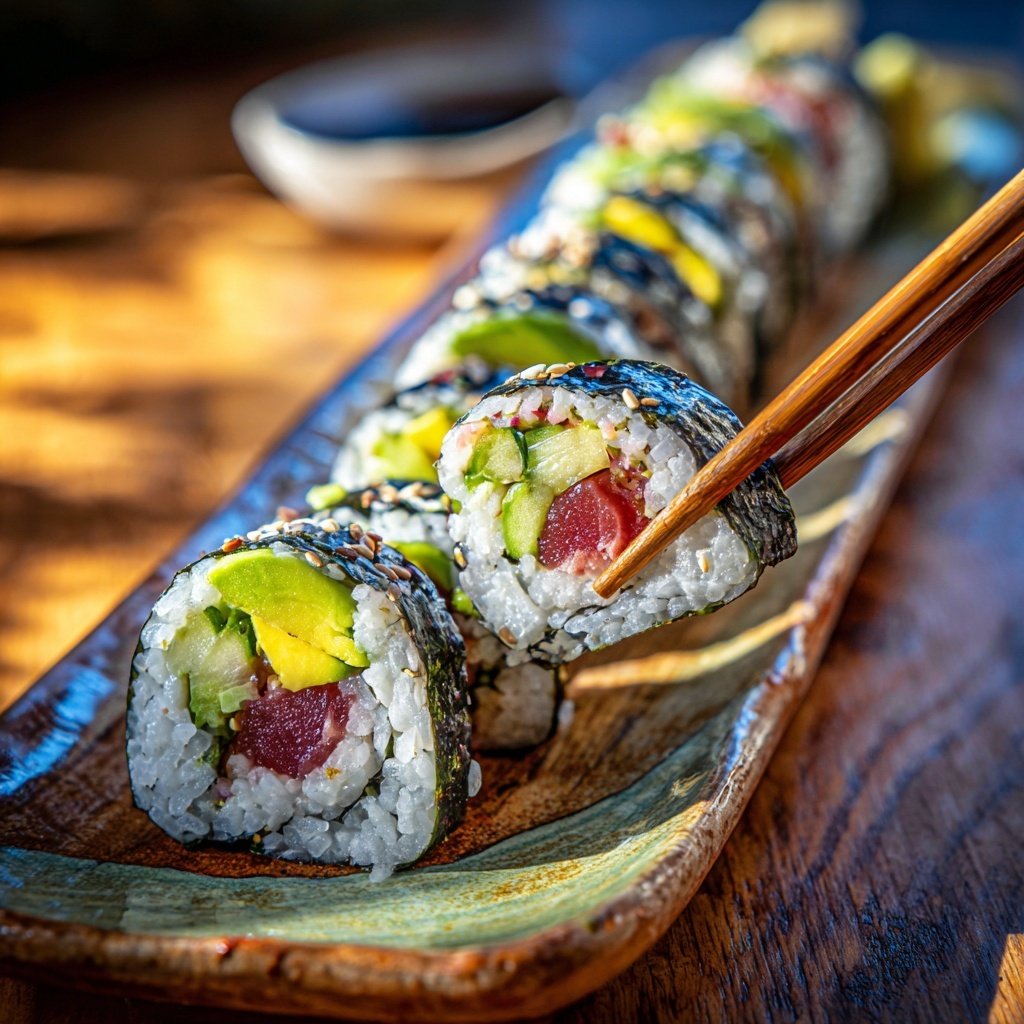
Place a sheet of nori onto a bamboo mat, shiny side down. Wet your hands and take a handful of rice, spreading it evenly over the nori, leaving a small border at the top. Arrange your avocado, cucumber, and fish along the bottom edge of the rice.
Roll and Slice
Using the bamboo mat, roll the sushi tightly from the bottom to the top, pressing gently to maintain shape. Wet the edge of the nori to seal the roll. Using a sharp knife, slice the roll into bite-sized pieces. Wipe the knife with a damp cloth between cuts for clean slices.
Serve your sushi rolls fresh with soy sauce, wasabi, and pickled ginger.
Pro Tips
- Experiment with different fillings like mango, cream cheese, or tempura vegetables for unique flavor combinations.
Serving Suggestions
To elevate your Global Japanese Sushi Rolls, consider serving them with an assortment of dipping sauces. Beyond standard soy sauce, try a mix of soy sauce with a dash of sesame oil or citrus for a different flavor profile. Pairing your sushi with a homemade ponzu sauce brings an extra zing that's sure to please the palette.
For a touch of elegance, use pickled ginger and wasabi not just for garnish, but as palate cleansers. Encourage guests to take small bites of ginger between rolls to refresh their taste buds, enhancing the overall sushi experience. Also, a side of crunchy tempura vegetables can complement the texture and flavors beautifully.
Make-Ahead Tips
You can prepare sushi rice a few hours in advance. After mixing in the rice vinegar mixture, let it cool to room temperature before covering it with a damp cloth to prevent it from drying out. This way, the rice is ready to roll, allowing for a more relaxed assembly process when it’s time to serve.
While the rolled sushi is best enjoyed fresh, you can make a few rolls in advance. However, I recommend consuming them within a few hours to preserve their texture. If you need to prepare sushi for later in the day, store the rolls in an airtight container in the fridge, and cover with a damp paper towel to keep the nori from becoming too chewy.
Questions About Recipes
→ Can I use brown rice instead of sushi rice?
While brown rice is healthier, it won't provide the same texture and stickiness as traditional sushi rice.
→ How do I store leftover sushi rolls?
Store sushi rolls in an airtight container in the refrigerator for up to 24 hours. It's best to consume them fresh.
→ What can I substitute for nori?
You can use rice paper as an alternative if you prefer a gluten-free version or are not fond of the taste of nori.
→ Is it safe to eat raw fish?
Ensure you use sushi-grade fish from a reputable source to minimize health risks. Always check for freshness.
Global Japanese Sushi Rolls
Created by: The Foodstoryline Team
Recipe Type: Exotic Recipes | New Tastes
Skill Level: Intermediate
Final Quantity: 4 rolls
What You'll Need
Ingredients for Sushi Rolls
- 2 cups sushi rice
- 2 ½ cups water
- ¼ cup rice vinegar
- 2 tablespoons sugar
- 1 teaspoon salt
- 4 sheets nori (seaweed)
- 1 avocado, sliced
- 1 cucumber, julienned
- 200g sushi-grade fish (like salmon or tuna), sliced
- Soy sauce, for serving
- Wasabi and pickled ginger, for garnish
How-To Steps
Rinse the sushi rice under cold water until the water runs clear. Combine the rinsed rice and water in a pot, and bring it to a boil. Reduce heat, cover, and simmer for 20 minutes. Once cooked, remove from heat and let it sit for 10 minutes. In a small saucepan, heat rice vinegar, sugar, and salt until dissolved, then mix into the rice.
Place a sheet of nori onto a bamboo mat, shiny side down. Wet your hands and take a handful of rice, spreading it evenly over the nori, leaving a small border at the top. Arrange your avocado, cucumber, and fish along the bottom edge of the rice.
Using the bamboo mat, roll the sushi tightly from the bottom to the top, pressing gently to maintain shape. Wet the edge of the nori to seal the roll. Using a sharp knife, slice the roll into bite-sized pieces. Wipe the knife with a damp cloth between cuts for clean slices.
Extra Tips
- Experiment with different fillings like mango, cream cheese, or tempura vegetables for unique flavor combinations.
Nutritional Breakdown (Per Serving)
- Calories: 250 kcal
- Total Fat: 8g
- Saturated Fat: 1g
- Cholesterol: 20mg
- Sodium: 100mg
- Total Carbohydrates: 39g
- Dietary Fiber: 2g
- Sugars: 1g
- Protein: 7g